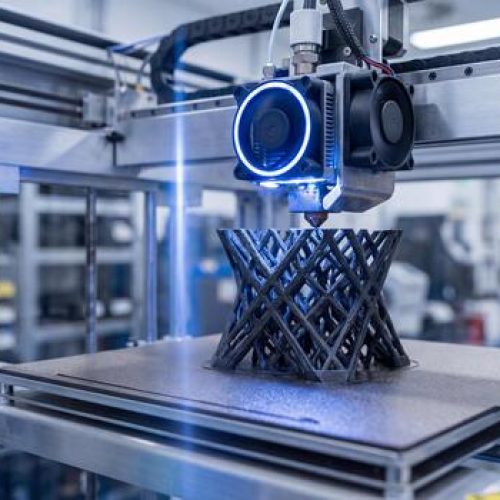
I ve been thinking lately about how “good enough” has become a dangerous trap in manufacturing. We re out here 3D printing rocket engines and medical implants that look like they re straight out of 2070, yet the software running these shops? It s often stuck in the early 2000s. After looking back at how old systems hold companies back, it s clear that legacy infrastructure is the primary barrier to scaling. You simply can t build the future if your operational foundation is a digital mess.
The Innovation Ceiling
Hardware is evolving at breakneck speed, but the “brains” of the operation the ERP and management software are trailing behind. If you re in Additive Manufacturing (AM), these bottlenecks probably feel familiar:
- Data Overload: AM generates massive amounts of data, from heavy CAD files to build-monitoring logs.
- System Silos: Old systems aren’t built for this volume, creating silos where nothing communicates.
- Manual Busywork: When design tech doesn’t sync with post-processing, you’re stuck with manual data entry which is slow and prone to error.
- The Scaling Trap: A “good enough” setup might work for a small lab, but it falls apart during the transition to serious industrial production.
Real Talk from RAPID + TCT 2026
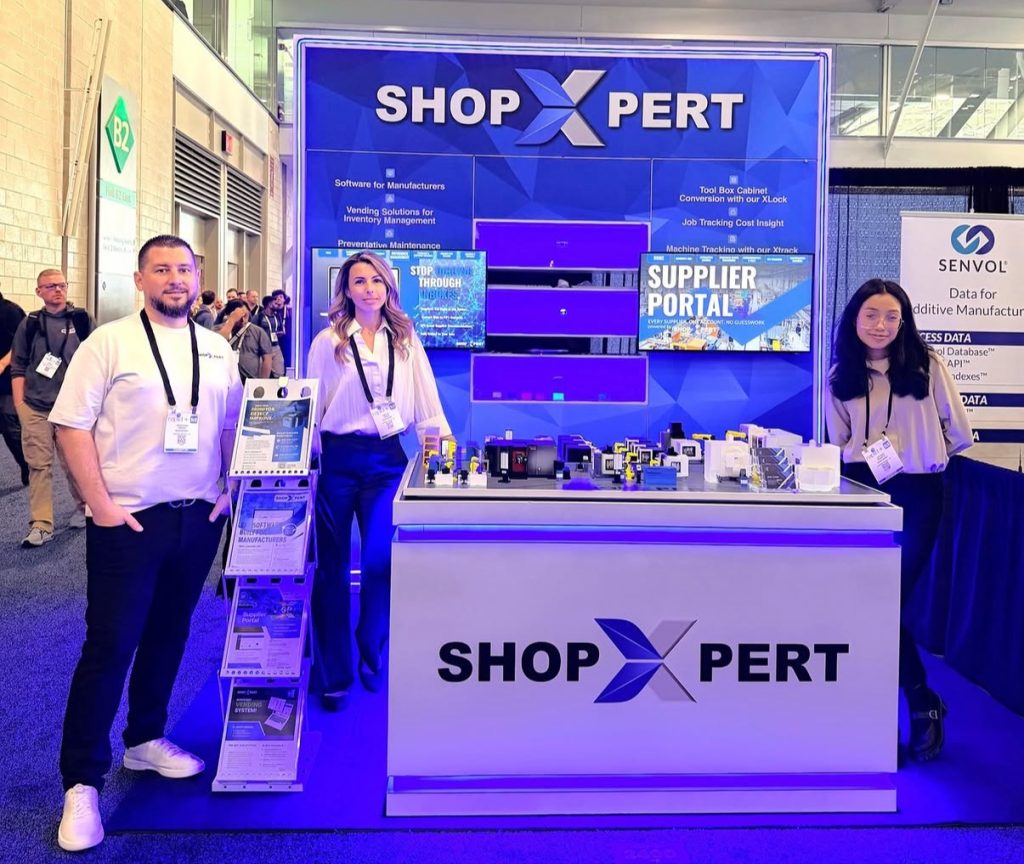
The ShopXpert team just got back from RAPID + TCT 2026 in Boston, and it was a total reality check. The hardware reveals proved that AM has officially moved from “cool prototypes” to “serial production.”

By engaging with the industry’s top experts, we gauged a massive, growing need for specialized Manufacturing ERPs. The hardware is ready; the management side just hasn’t caught up yet.
| The Problem | The Legacy Standard | The ShopXpert Solution |
| Workflow | Disconnected and manual | One cohesive digital thread |
| Traceability | Difficult to track across batches | Automated, real-time logging |
| Quality | Reacting to errors after the fact | Proactive, in-situ monitoring |
The Bottom Line
Whether it’s Aerospace, Automotive, or Biotech, you can’t scale on paper and spreadsheets.
Innovation requires a foundation that actually supports it. If you’re still relying on legacy systems, you’re basically trying to win a track race while wearing lead boots. It’s time to stop settling for “good enough” and start building a shop that can actually handle the future.
What is the biggest software headache you’re dealing with on the shop floor right now?